



- What Is Cellulite?
- The 4 Grades of Cellulite
- Why It Forms
- Cellulite Myths, Debunked
- Natural Methods & Prevention
- Treatments Compared
- Mesotherapy Treatment
- What to Expect
- FAQ
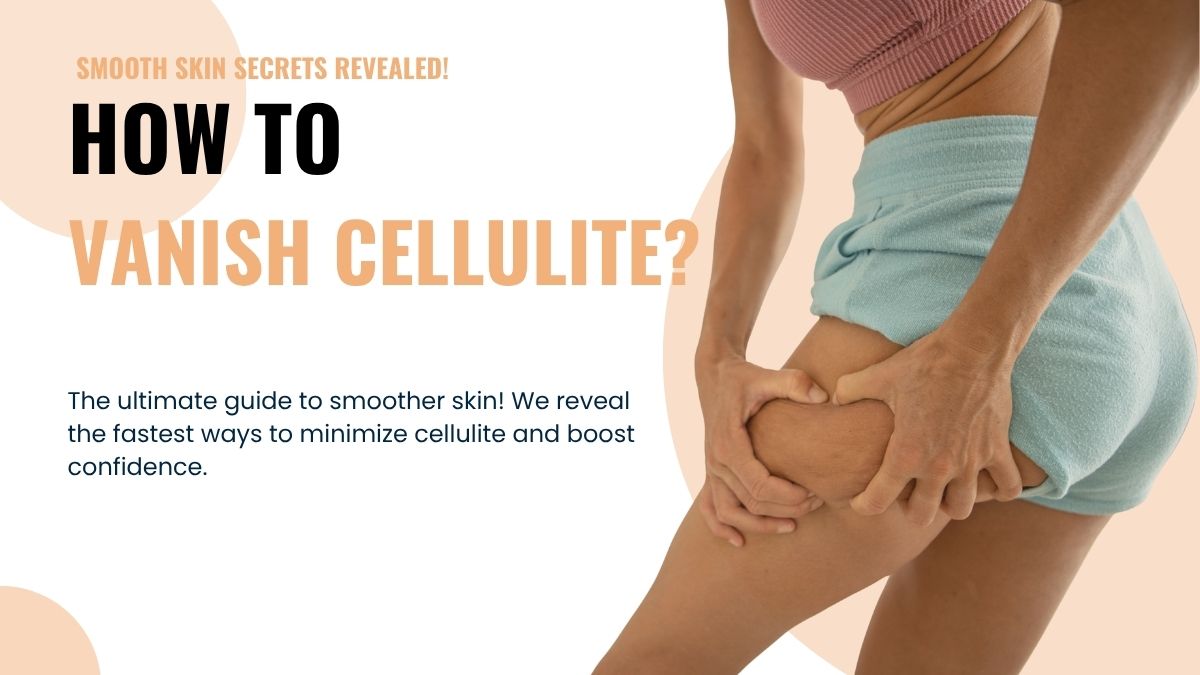
Cellulite is one of the most common aesthetic concerns, affecting the thighs, hips, and buttocks — and it’s estimated to affect 80–90% of women at some point. Caused by fat pushing against connective tissue beneath the skin, it gives the surface an uneven, dimpled look often called “orange peel” or “cottage cheese.” It is completely harmless, but for many people it affects confidence.
Contrary to popular belief, cellulite isn’t only about weight. Hormones, genetics, and the very structure of your skin all play a part, which is why even slim, athletic people get it — and why “just lose weight” rarely solves it.
Op. Dr. Ali Çetinkaya notes that no treatment erases cellulite permanently — but the most effective results come from a combined, realistic approach, with mesotherapy a leading option for smoothing skin texture with minimal downtime.
What Is Cellulite, Exactly?
Beneath your skin, fat cells sit in chambers separated by fibrous bands of connective tissue called septae. When the fat cells enlarge or the bands tighten and pull down, the fat bulges upward between them — creating the familiar dimpled surface. In women these bands run vertically, which is why cellulite is far more visible than in men, whose bands form a criss-cross net.
Cellulite is not the same as fat. It’s a structural, skin-surface issue. This matters: fat-removal procedures like liposuction reduce volume but do not treat cellulite — and can occasionally make dimpling more noticeable. Cellulite responds best to treatments that target the skin and connective tissue.
Understanding this is the first step to choosing a treatment that works, rather than one aimed at the wrong problem.
The 4 Grades of Cellulite
Doctors grade cellulite on a four-point scale (the Nürnberger–Müller scale). Knowing your grade sets realistic expectations and guides treatment intensity.
| Grade | Appearance | When it shows |
|---|---|---|
| Grade 0 | Smooth, no visible dimpling | Not visible even when pinched |
| Grade 1 (mild) | Superficial “orange peel,” 1–4 slight depressions | Only when the skin is pinched |
| Grade 2 (moderate) | “Cottage cheese,” 5–9 medium depressions | Visible standing, smooth lying down |
| Grade 3 (severe) | “Mattress-like,” 10+ deep depressions | Visible standing and lying down |
Mild cellulite often improves with lifestyle changes and non-invasive treatments; moderate to severe cellulite usually needs an in-clinic approach for a visible difference.
Why Does Cellulite Form?
- Genetics: influences fat distribution, skin structure, and how visible cellulite becomes.
- Hormones: oestrogen shifts in puberty, pregnancy, and menopause affect collagen and fat metabolism.
- Lifestyle: inactivity and a diet high in sugar or salt worsen water retention and slow circulation.
- Weight fluctuations: repeated gain and loss stretch skin and weaken connective-tissue fibres.
- Ageing: falling collagen and elasticity make existing cellulite more obvious.
Understanding the causes is essential for choosing the most effective, lasting treatment strategy.
Cellulite Myths, Debunked
A huge industry is built on cellulite misinformation. Here’s what the science actually says:
| Myth | The reality |
|---|---|
| “Only overweight people get cellulite” | False — it’s structural, so slim and fit people get it too. |
| “Detox / toxins cause cellulite” | False — there’s no evidence toxins cause it or that detoxes remove it. |
| “Creams can erase cellulite” | No cream removes it. Caffeine/retinol only temporarily improve appearance. |
| “Exercise alone will get rid of it” | It helps tone and circulation, but rarely eliminates cellulite on its own. |
| “There’s a permanent cure” | No treatment removes it forever — results are improved and maintained. |
Natural Methods & Prevention
Lifestyle won’t erase cellulite, but in mild cases it genuinely makes skin look smoother — and it supports any in-clinic treatment:
- Strength & cardio training: building muscle under the skin and improving circulation reduces the dimpled look.
- Lymphatic massage & dry brushing: stimulate microcirculation and drainage.
- Hydration & a plant-heavy, anti-inflammatory diet: keep connective tissue supple and reduce water retention.
- Stable, healthy weight: avoids the stretch–weaken cycle of yo-yo dieting.
- Not smoking: smoking harms circulation and collagen.
The honest caveat: natural results are subtle and need long-term consistency. For moderate to severe cellulite, in-clinic medical treatments are needed for a visible, lasting difference.
Cellulite Treatments Compared
Here’s how the main options stack up, from topical to in-clinic:
| Treatment | How it works | Best for |
|---|---|---|
| Topical (caffeine / retinol) | Temporarily firms/plumps skin surface | Very mild cases, short-term |
| Mesotherapy | Microinjections improve circulation & support collagen | Mild–moderate, skin texture |
| Radiofrequency (golden needle) | Heat tightens tissue & stimulates collagen | Cellulite with skin laxity |
| Acoustic wave therapy | Pressure waves boost circulation & collagen | Moderate cellulite, non-invasive |
| Subcision | Releases the fibrous bands causing dimples | Deep, defined single dimples |
Often the best outcome combines approaches — for example mesotherapy for texture plus a skin-tightening treatment for firmness. Your surgeon recommends the right mix after assessing your grade and skin.
| 📞 Book a Cellulite Assessment on WhatsApp |
|---|
Mesotherapy: A Leading Non-Surgical Option
Among non-surgical treatments, mesotherapy targets the tissue behind cellulite by delivering a tailored blend of vitamins, minerals, amino acids, and plant extracts directly into the affected layer, to improve circulation, help break down localised fat, and support the skin’s connective network.
Microinjections reach the subcutaneous layer, stimulating collagen and improving lymphatic drainage. Over a course of sessions the skin can look smoother, firmer, and more even. Each session takes around 30 minutes, and most patients return to normal activities the same day.
Benefits
- Visible smoothing after the first few sessions
- Minimally invasive — no surgery, no scars, little downtime
- Skin tightening via collagen stimulation
- Targeted — active ingredients placed exactly where the cellulite is
Under the care of Op. Dr. Ali Çetinkaya, mesotherapy is tailored to your skin type and cellulite grade. Because there’s no permanent cure, occasional maintenance sessions sustain the improvement.
What to Expect: Sessions & Downtime
| Question | What to expect |
|---|---|
| How many sessions? | Usually 6–8, depending on your grade |
| How often? | Every 7–15 days |
| Session length | Around 30 minutes |
| Downtime | Minimal — mild redness or slight bruising |
| Maintenance | Top-ups a few times a year keep skin smoother |
Your exact plan is confirmed at consultation, once your cellulite grade and skin quality are assessed. Skin-tightening options such as the golden needle, PRP, or fractional CO2 laser may be combined for the best result.
Frequently Asked Questions
Can cellulite be removed permanently?
No treatment removes cellulite forever. However, mesotherapy and other in-clinic treatments can visibly reduce its appearance, and regular maintenance keeps skin smoother.
Does losing weight get rid of cellulite?
Not necessarily. Cellulite is structural, not simply fat, which is why even slim people have it. Losing weight can help but rarely eliminates it on its own.
Do cellulite creams actually work?
No cream removes cellulite. Caffeine and retinol can temporarily improve how skin looks by boosting circulation or thickening the surface, but they don’t treat the underlying cause.
Will liposuction remove cellulite?
No. Liposuction removes fat volume but doesn’t treat cellulite and can sometimes make dimpling more visible. Cellulite needs skin- and connective-tissue-focused treatments.
Which treatment is most effective?
It depends on your grade. Mesotherapy suits texture; radiofrequency helps laxity; subcision targets deep single dimples. A combined plan often works best — assessed individually.
Is mesotherapy for cellulite painful, and is there downtime?
Very fine needles are used, so discomfort is minimal, and downtime is little to none — mild redness or slight bruising that settles quickly.
How many sessions will I need?
Usually 6–8 sessions spaced 1–2 weeks apart, confirmed after your cellulite grade is assessed.
Which areas can be treated?
Most commonly the thighs, hips, and buttocks, though the abdomen and upper arms can also be treated.


