



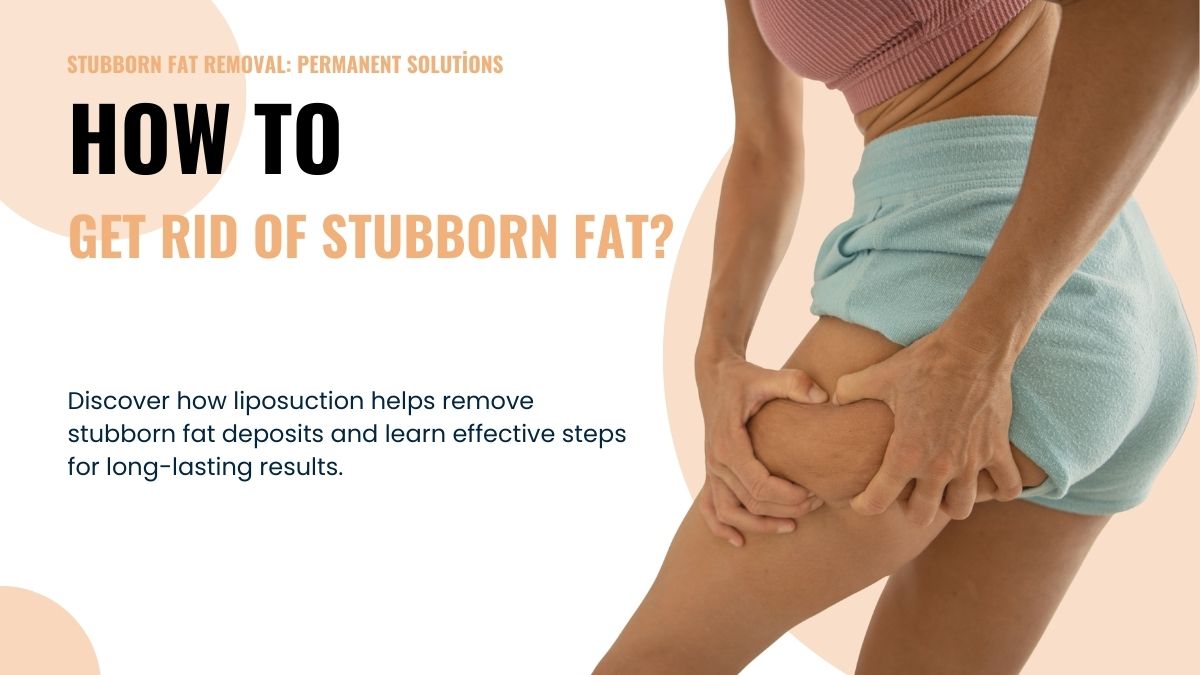
Have you spent countless hours dieting and pushing yourself at the gym, yet stubborn fat around the abdomen, hips, or arms simply refuses to disappear? Getting rid of localized fat may seem impossible — but it no longer has to be.
Regardless of genetics, metabolism, or lifestyle, certain fat deposits are notoriously resistant to diet and exercise. While short-term methods may lead to temporary changes on the scale, they rarely deliver lasting, well-defined body contours.
The real solution lies in permanently reducing localized fat cells through a scientifically proven and reliable approach. In this guide, you will learn — step by step — how liposuction can reshape your body in a single session, which techniques are most effective, and what you need to know to ensure maximum safety and long-term results.
Is It Really Possible to Get Rid of Localized Fat?
You’ve spent hours at the gym and followed your diet down to the smallest detail — yet stubborn fat around the abdomen, hips, or waist still refuses to go away. This is a common experience for many people, both motivating and frustrating at the same time.
💡 Popular beliefs can be misleading: The idea of “spot reduction” creates the impression that exercising a specific area alone can eliminate fat in that region. In reality, the body burns fat in a more generalized manner, and targeting a single area through exercise alone is rarely effective.
So, is it truly possible to eliminate fat from specific areas only? In the next section, we will uncover the scientific facts behind this misconception and explain — step by step — what the real solution looks like.
Why the Spot Reduction Myth Fails
Many people spend countless hours exercising and strictly following diets to eliminate fat from areas such as the abdomen, hips, or waist — yet see little to no improvement. Why does this happen? The reason is simple: when your body burns fat, it does so evenly throughout the body, not from a single targeted area. This mechanism is scientifically proven and explains why region-focused efforts alone are often ineffective.
How Does the Body Burn Fat?
Metabolism, hormonal balance, and genetic predisposition determine how quickly you burn fat and where it tends to accumulate. Some individuals store fat primarily in the abdominal area, while others experience stubborn fat around the hips or thighs. Exercise and dieting strengthen muscle tissue and reduce overall body fat, but they cannot selectively eliminate fat from one specific region.
Why Are Diet and Exercise Not Enough?
Strict diets, calorie deficits, and intense workouts can support overall weight loss, but stubborn localized fat is often genetically determined. The number and distribution of fat cells define which areas of your body are more resistant. For this reason, diet and exercise alone may not deliver the body contours you desire. A permanent and targeted solution requires methods that directly reduce fat cells in specific areas.
💡 The spot reduction myth leads to disappointment because it ignores the body’s natural fat-burning mechanisms. Overlooking genetic and metabolic factors often results in temporary or limited outcomes rather than lasting change.
A Permanent Solution for Fat That Won’t Respond to Diet and Exercise: Liposuction
When stubborn localized fat fails to respond to diet and exercise, many people feel discouraged. However, with modern surgical techniques, resistant fat cells can be directly targeted.
Liposuction permanently removes excess fat from specific areas of the body while reshaping your natural contours and preserving a balanced, aesthetic appearance.
One Procedure, Long-Lasting Results
Liposuction can be performed in a single surgical session and permanently eliminates targeted fat cells. This makes it possible to achieve localized slimming that diet and exercise alone cannot provide. With proper aftercare and professional follow-up, the results can be maintained for many years, allowing the body to achieve a more refined and harmonious shape.
Which Areas Can Be Treated?
Liposuction can effectively target stubborn fat in many areas of the body, including the abdomen, waist, hips, thighs, arms, and even the back. The surgeon evaluates each patient’s unique anatomy to determine the most suitable treatment areas and reshapes the body with symmetry and proportion in mind. The result is not only fat reduction, but also a more sculpted and aesthetically pleasing body contour.
💡 Liposuction offers a permanent, safe, and efficient solution for localized fat that does not respond to diet or exercise. Performed in a single session, it enhances body contours, restores symmetry, and delivers long-term aesthetic results.
How Is Liposuction Performed?
Liposuction is a safe and effective method for eliminating localized fat using modern surgical techniques. Before the procedure, a personalized treatment plan is created based on anesthesia selection, the chosen technique, and the patient’s body structure. Thanks to minimally invasive approaches, the procedure is more comfortable and recovery is significantly faster.
Types of Liposuction: Ultrasonic, VASER, and Laser-Assisted
Different liposuction technologies target fat tissue while minimizing damage to surrounding structures. Ultrasonic liposuction is particularly effective for dense fat deposits, while VASER liposuction is preferred for delicate areas and detailed body contouring.
Laser-assisted liposuction additionally promotes skin tightening, offering an added aesthetic benefit. The most appropriate method is selected according to the patient’s goals and anatomical needs.
Minimally Invasive Techniques and Safety
Modern liposuction techniques are performed through very small incisions, resulting in minimal tissue trauma. During the procedure, bleeding and complication risks are kept to a minimum. With a sterile surgical environment and an experienced medical team, patient safety remains the top priority. As a result, both surgical comfort and recovery time are significantly improved.
What Should Be Considered During and After the Procedure?
Following the surgeon’s instructions and attending regular follow-up appointments are essential for optimal results. After the procedure, wearing a compression garment, engaging in light physical activity, and maintaining scheduled medical check-ups help reduce swelling and preserve the newly shaped contours. Proper nutrition and adequate hydration further support faster healing and lower the risk of complications.
💡 Liposuction is tailored to each individual based on anesthesia choice and advanced technology. Minimally invasive techniques ensure a safe procedure and rapid recovery. With ultrasonic, VASER, or laser-assisted methods, it is possible to achieve permanent reduction of localized fat.
Who Is an Ideal Candidate for Liposuction?
Not everyone who wants to get rid of localized fat is an ideal candidate for liposuction. For the procedure to be both safe and effective, certain medical and anatomical criteria must be met. In this section, we take a closer look at who benefits most from liposuction.
Genetic and Localized Fat Deposits
Stubborn fat deposits are often linked to genetic factors. Fat accumulation in areas such as the abdomen, flanks, arms, or hips that does not respond to diet and exercise can be permanently reduced with liposuction. Genetically determined fat distribution is one of the key criteria when identifying ideal candidates.
Healthy Adults
Liposuction is suitable for adults who are in good overall health. Individuals with chronic conditions or uncontrolled medical issues require a thorough preoperative evaluation. The surgeon carefully reviews each patient’s medical history to ensure a safe and personalized treatment plan.
Goals and Expectations
Liposuction is not a weight-loss procedure; it is designed to refine and enhance body contours. Ideal candidates have realistic expectations and seek improvement in body shape rather than overall weight reduction. Clear and achievable goals play a major role in postoperative satisfaction.
💡 Liposuction is an ideal solution for healthy adults with genetically resistant localized fat deposits. With realistic expectations and proper planning, it is possible to achieve long-lasting and natural-looking body contours.
Liposuction Aftercare & Recovery Process
The recovery period after liposuction plays a crucial role in achieving long-lasting and aesthetically pleasing results. With proper aftercare, expert medical supervision, and patient compliance, swelling subsides more quickly and the body contours gradually settle into their final shape.
🩺 The First Days: Managing Swelling and Bruising
Mild swelling, bruising, and temporary discomfort are completely normal during the first few days following liposuction. Wearing a compression garment as recommended helps reduce edema, supports lymphatic drainage, and accelerates healing. Prescribed medications and adequate rest further enhance comfort during this phase.
👕 Why Compression Garments Are Essential
Medical-grade compression garments help the skin adapt smoothly to newly contoured areas. They minimize swelling, reduce the risk of irregularities, and promote a firmer, more even appearance. Most patients are advised to wear compression garments consistently for approximately 3 to 6 weeks.
🚶♂️ Returning to Daily Activities and Exercise
Light walking is usually encouraged within a few days to improve circulation and reduce the risk of complications. Most patients can return to daily routines within 5–7 days. Strenuous exercise and heavy physical activity should be postponed for 3–4 weeks, depending on individual recovery and medical advice.
🥗 Nutrition and Lifestyle Recommendations
Adequate hydration, balanced nutrition, and sufficient protein intake significantly support tissue healing. While fat cells removed through liposuction do not return, maintaining a healthy lifestyle is essential to prevent fat accumulation in untreated areas and to preserve long-term results.
💡 Summary: Proper aftercare completes the success of liposuction. Consistent compression garment use, routine follow-ups, healthy nutrition, and adherence to medical guidance ensure a smoother recovery and long-lasting, natural-looking body contours.
Reshape Your Body with Liposuction — Take the First Step Today
Achieving long-lasting, well-defined body contours requires targeting stubborn fat cells directly. When performed by an experienced plastic surgeon, liposuction offers a safe, effective, and permanent solution for reshaping areas resistant to diet and exercise.
- Request a complimentary consultation: Learn which areas can be effectively treated with liposuction.
- Explore frequently asked questions: Get clear information about the procedure, recovery timeline, and expected results.
- View before-and-after results: Gain confidence through real patient transformations.
By taking action today, you can eliminate stubborn fat deposits and achieve the body contours you’ve been working toward. Our experienced medical team will design a personalized liposuction plan tailored to your anatomy and aesthetic goals.
To receive your complimentary evaluation, simply click the “Get Expert Advice” button above.
Frequently Asked Questions
Who is a good candidate for liposuction?
Liposuction is suitable for healthy adults who struggle with stubborn, localized fat deposits that do not respond to diet and exercise. Patients with genetically determined fat accumulation can achieve long-lasting body contouring and improved symmetry through surgical treatment.
Which areas can be treated with liposuction?
Liposuction can be performed on the abdomen, waist, flanks, hips, arms, thighs, and other targeted areas. By permanently removing fat cells, the procedure reshapes the body into more balanced and aesthetically pleasing contours.
Is liposuction a safe procedure?
When performed by an experienced surgeon in a modern medical facility, liposuction is a safe and reliable procedure. A thorough pre-operative assessment and personalized surgical planning significantly minimize risks and help achieve natural, long-lasting results.
What is the recovery time after liposuction?
Swelling and bruising typically subside within 1–2 weeks. Most patients can return to daily activities after one week, while strenuous exercise is usually recommended after 4–6 weeks. Regular follow-ups ensure a smooth and safe recovery.
Are liposuction results permanent?
Yes. Fat cells removed during liposuction are permanently eliminated. With a healthy lifestyle and balanced nutrition, results are long-lasting and the risk of fat re-accumulation in treated areas remains minimal.
What should be considered after the procedure?
Wearing compression garments, attending follow-up appointments, and following your surgeon’s instructions are essential. Proper post-operative care maximizes aesthetic outcomes and significantly reduces the risk of complications after liposuction.
When can I resume exercise after liposuction?
Light activities such as walking can usually be resumed after one week. More intense workouts and resistance training are typically allowed after 4–6 weeks, under your doctor’s guidance, ensuring a safe return to physical activity.
Are there alternatives to liposuction for localized fat?
Diet and exercise alone cannot effectively target localized fat deposits. Liposuction remains the most effective and permanent solution. Non-surgical alternatives often provide limited or temporary results compared to surgical fat removal.

- How to Get Rid of Stubborn Fat? - January 13, 2026
- Back Lift Recovery: Key Guidelines - January 13, 2026
- Arm Lift Recovery: Essential Steps - January 13, 2026


