



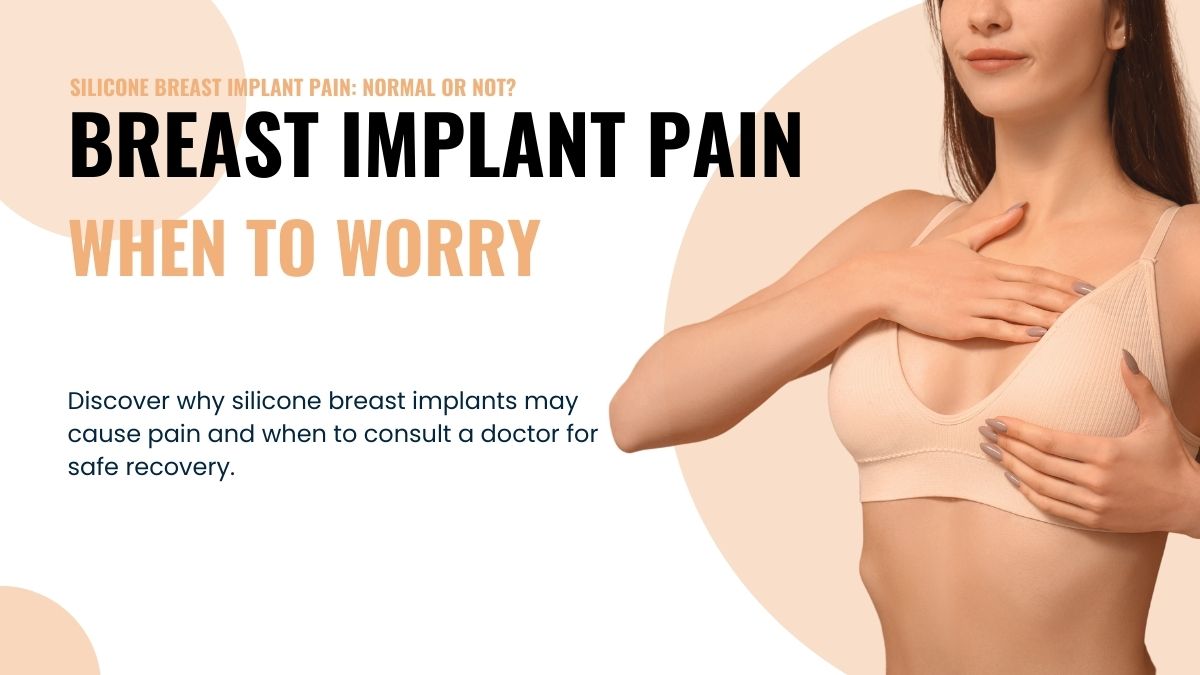
Have you been experiencing occasional pain or discomfort in your breasts after breast augmentation surgery? This is a common concern among women with breast implants. While mild discomfort can be a normal part of the healing process, in some cases, breast pain may signal an underlying issue that deserves attention.
Pain in silicone breast implants can affect daily life both physically and emotionally. Sudden or persistent discomfort may be noticeable during exercise, daily movements, or even at rest. It is completely normal to feel concerned—but there is no need to panic.
In this guide, you will learn the possible causes of breast pain associated with silicone implants, which symptoms are considered normal, and when it is important to seek professional medical evaluation. Discover how to protect your breast health and maintain safe, long-lasting aesthetic results with confidence.
Why Can Silicone Breast Implants Cause Pain?
After breast augmentation, the shape, firmness, and sensation of the breasts can vary depending on the type, size, and placement of the silicone implant. Pain in silicone breast implants is most commonly related to the healing process and the surrounding tissues adapting to the implant.
Silicone implants are typically placed either beneath the breast tissue or under the chest muscle. Both the implant position and its volume can create temporary tension within the tissues, leading to sensitivity or discomfort—especially during the first few weeks after surgery. This type of pain is usually mild to moderate and gradually improves as healing progresses.
Where Is the Pain Usually Felt? Discomfort is most often felt in the breast area itself, the underarm region, and occasionally around the nipple. During recovery, sensations such as pressure, tightness, or a mild throbbing feeling are common. In most cases, these symptoms are considered normal and gradually subside over time.
Being informed is key to understanding the source of your discomfort. Pain experienced after breast augmentation is often temporary and does not require additional treatment. However, persistent, worsening, or severe pain should always be evaluated by a qualified specialist.
5 Common Causes of Pain in Silicone Breast Implants
Occasional discomfort in silicone breast implants is a common concern for many patients. This guide explains the most frequent causes of breast implant–related pain to help you better understand what is normal and when medical evaluation may be necessary. Being well-informed allows for timely intervention and ensures both safe and aesthetically pleasing outcomes.
- Normal Postoperative Healing: Mild swelling, bruising, and tissue sensitivity are common as the surrounding tissues adjust to the implant. These symptoms typically improve gradually within a few weeks after surgery.
- Capsular Contracture: Tightening of the scar tissue that naturally forms around the implant can cause firmness, pressure, or discomfort. Early diagnosis and regular follow-up are essential for effective management.
- Incorrect Implant Size or Placement: An implant that is too large or not optimally positioned may place excessive pressure on the breast tissue, leading to persistent discomfort. Proper implant selection plays a critical role in long-term comfort.
- Muscle Pressure or Tissue Sensitivity: In implants placed beneath the pectoral muscle, movement of the chest muscles may cause temporary tightness or mild pain, particularly during physical activity.
- Infection or Trauma: Although rare, these are more serious causes of breast pain. Symptoms such as redness, warmth, fever, or increasing pain require immediate evaluation by a specialist.
While pain in silicone breast implants is often temporary and manageable, accurate information and proper follow-up are crucial. Awareness and early assessment help ensure both your health and the longevity of your aesthetic results. With expert guidance, this process can be managed safely and confidently.
Relieving Pain and Safe Treatment Options
Pain in silicone breast implants is often temporary and manageable. The first and most important step is identifying the underlying cause. Mild swelling, tissue sensitivity, or discomfort related to implant positioning usually improves over time. However, persistent or worsening pain should always be evaluated by a qualified specialist.
- Correct Implant Selection and Placement: Choosing an implant size and position that suits the patient’s anatomy minimizes pressure and tension on the breast tissues. Many implant-related pain issues can be prevented through precise surgical planning.
- Monitoring Capsular Contracture: When detected early, tightening of the scar tissue around the implant may be managed with medication or minimally invasive treatments, reducing discomfort and preventing progression.
- Muscle and Tissue Relaxation: Gentle massage, light stretching, and surgeon-approved physical activity can help relieve tightness, particularly in implants placed beneath the chest muscle.
- Prevention of Infection and Trauma: Proper hygiene, adherence to postoperative instructions, and routine follow-up visits help prevent complications that may cause significant pain.
- Specialist Follow-Up and Ongoing Evaluation: If pain persists, breast implant exchange or corrective surgery may offer a safe and effective long-term solution.
In summary, pain associated with silicone breast implants is usually manageable, and lasting solutions are often available. Accurate assessment, expert follow-up, and—when necessary—safe surgical intervention can relieve discomfort while preserving both breast health and aesthetic results.
When Should You Seek Specialist Evaluation?
Mild discomfort in silicone breast implants is often part of the normal healing or adaptation process. However, certain symptoms require prompt medical evaluation. The intensity, duration, and accompanying signs of pain play a crucial role in determining when professional care is necessary.
Mild discomfort vs. warning signs: Light tenderness, pressure, or tightness is usually normal, especially in the early stages. However, sudden severe pain, excessive firmness of the breast, redness, fever, or any discharge are clear warning signs and require immediate specialist assessment.
Preventing complications through regular follow-up: After breast implant surgery, scheduled follow-up visits are essential. Regular monitoring allows potential complications to be identified early, ensuring timely intervention and preventing more serious issues.
In conclusion, short-term and mild discomfort is rarely a cause for concern. However, if pain becomes intense, persistent, or is accompanied by unusual symptoms, seeking expert medical advice without delay is essential for your safety and long-term breast health.
Frequently Asked Questions
Is pain in silicone breast implants normal?
Mild pain, swelling, or tightness is usually part of the normal healing process. As the implant settles and the surrounding tissues adapt, temporary sensitivity may occur during the first few weeks. In most cases, this discomfort gradually subsides and is not a cause for concern.
Where can the pain be felt?
Pain is most commonly felt in the breast area, under the arm, and occasionally around the nipple. During the early recovery period, it may feel like pressure, tightness, or mild throbbing. These sensations typically decrease as healing progresses.
When does persistent pain become a concern?
Severe, ongoing, or one-sided pain—especially when accompanied by redness, swelling, warmth, or firmness—should be evaluated by a specialist. These symptoms may indicate capsular contracture, infection, or implant positioning issues.
What can I do to relieve the pain?
Adequate rest, prescribed pain medication, and wearing recommended supportive bras can help reduce mild discomfort. Regular follow-up appointments and adherence to post-operative instructions are key to a safe and comfortable recovery.
When should I consult a specialist?
You should seek medical evaluation if you experience severe pain, signs of infection, noticeable asymmetry, or prolonged sensitivity. Early assessment is crucial for preventing complications and ensuring safe, effective treatment.
Can pain in silicone breast implants be prevented?
Choosing the correct implant size and placement, working with an experienced surgeon, and attending regular follow-up visits significantly reduce the risk of pain. Careful attention to the recovery process also helps minimize discomfort.


